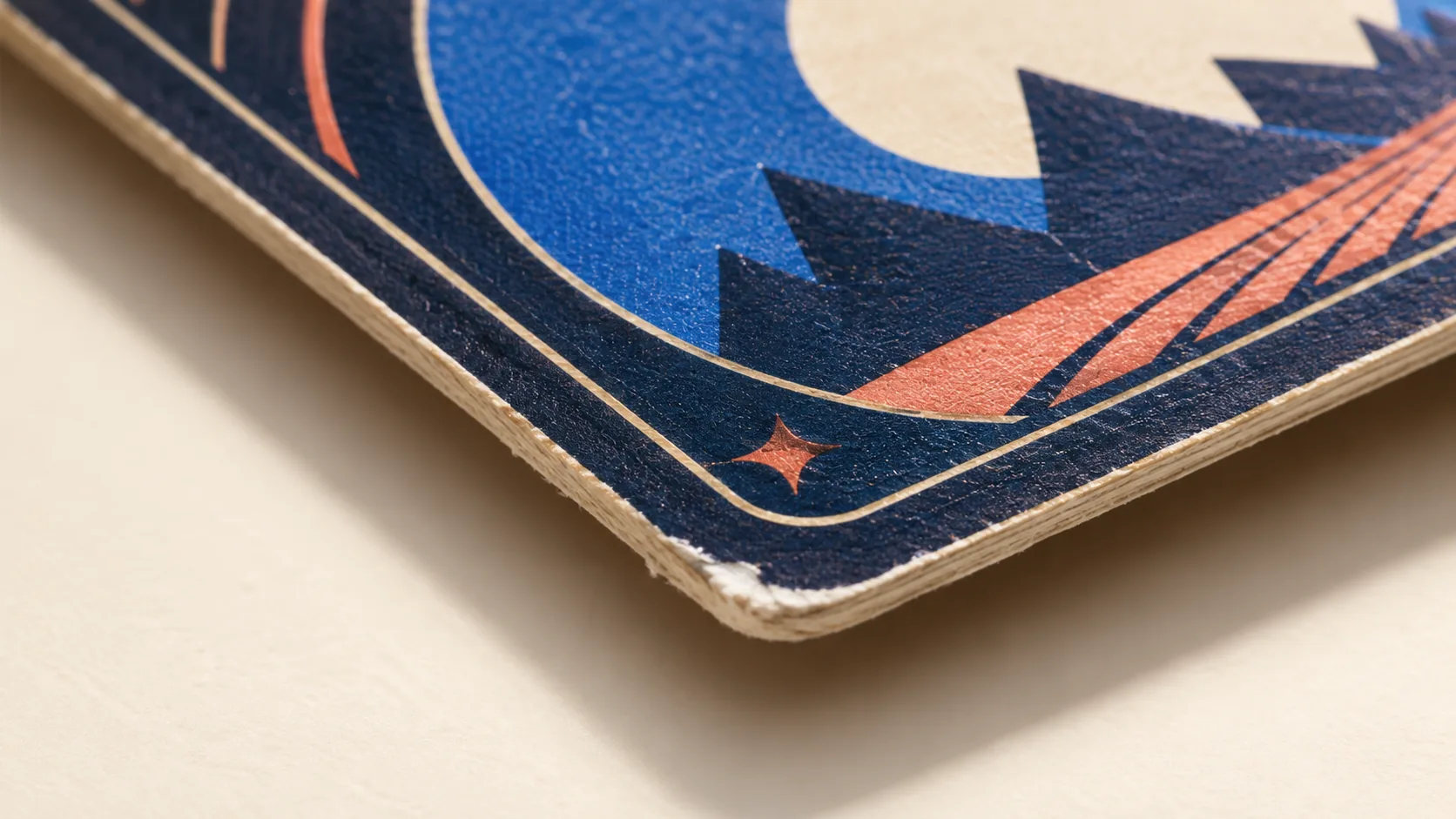
Perspective, centering and a reliable capture
See how camera angle can distort apparent card borders, and why guided framing and perspective correction matter before discussing centering.
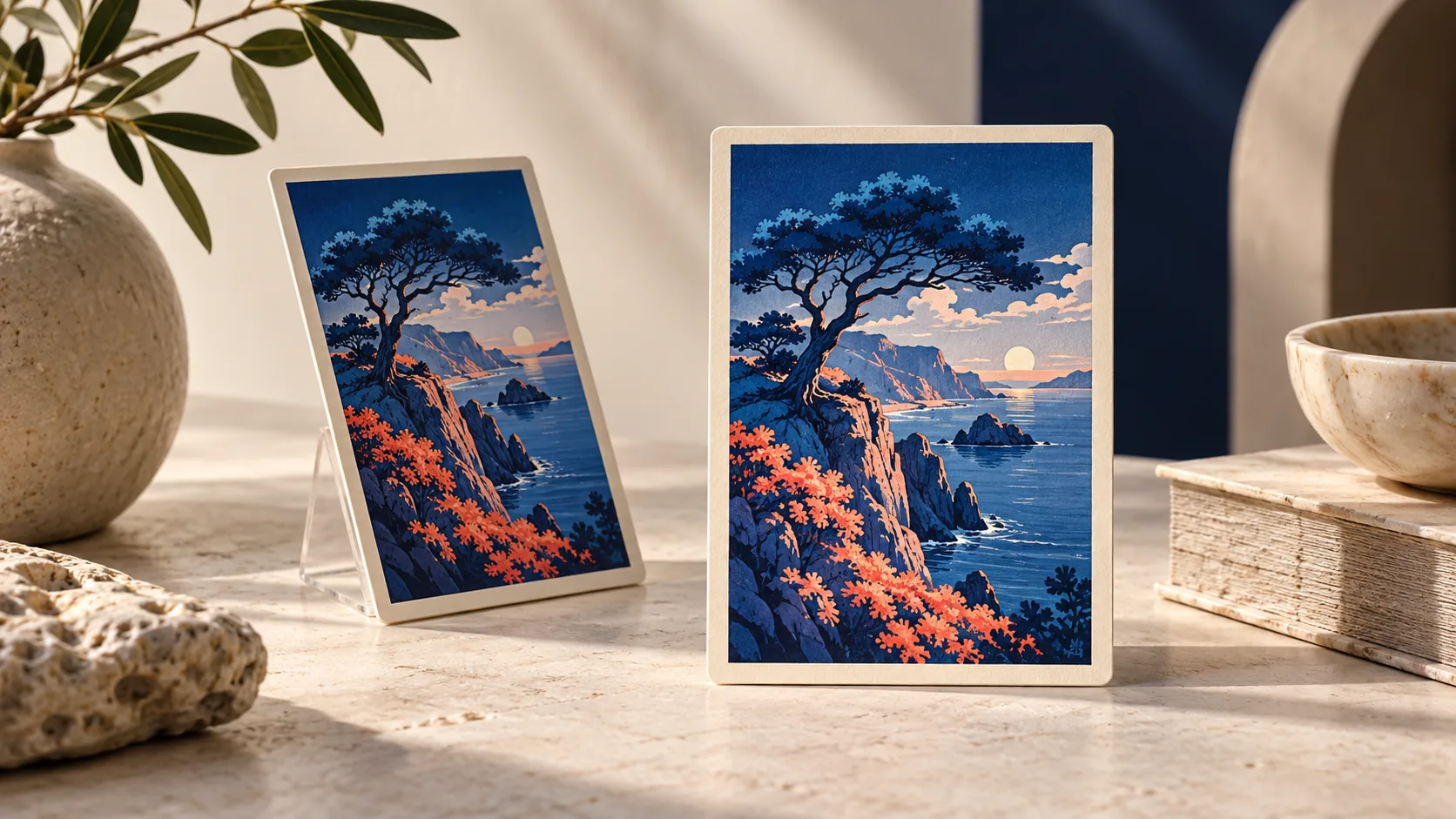
Why angle changes what you see
When a card is photographed from one side, the nearest edge appears larger and the opposite edge appears smaller. A rectangular card can look trapezoidal, and borders that are physically similar can appear uneven. Measuring centering directly from that uncorrected image would mix the card’s geometry with the camera angle.
This is why a useful capture starts with coverage, stability and a clearly visible card boundary. The Best Grading Tools guide helps keep the card and camera aligned so the resulting evidence is easier to compare. No guidance can restore information that blur, glare or a cropped corner has removed.
A better setup for repeatability
Place the card flat on a dark matte surface and keep all four corners visible. Hold the phone above the card rather than from the side. Move slowly until the guide is stable, then tilt the card during the instructed light phase instead of rotating the phone unpredictably.
The goal is not a studio-perfect image. It is a repeatable image in which borders, corners and surface evidence remain easy to inspect. If the card is not clearly aligned or a border leaves the view, recapture is more honest than a precise-looking number based on weak input.
Centering is one part of condition
Centering describes how the printed design sits within the physical card. It is different from edge wear, corner damage or surface condition, so it is worth checking on its own.
The result remains a visual estimate from submitted images. It is not a physical measurement, an authenticity decision or a promise that an independent grader will assign the same grade.